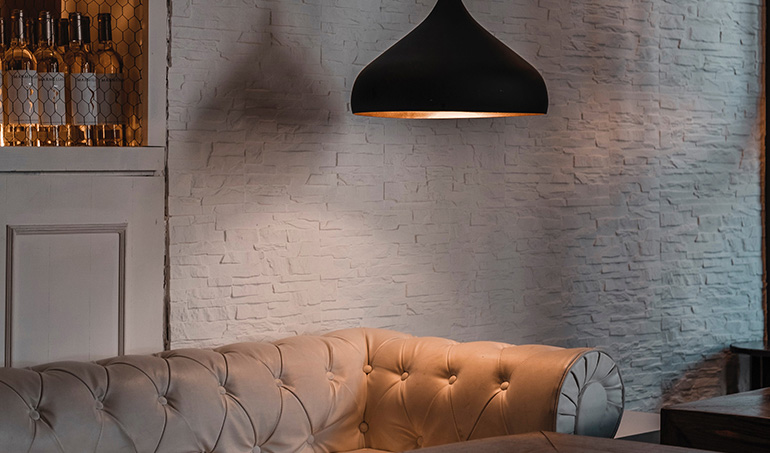
When it comes to decorating your home, there’s a delicate balance between cohesiveness and creativity. One of the most exciting ways to achieve this balance is through the art of mixing and matching furniture. This approach allows you to create a space that is uniquely yours, filled with personality and flair. Here’s how to master this art and transform your home into a stylish haven.
1. Start with a Plan
Before you start mixing and matching furniture, it’s important to have a clear vision of what you want your space to look like. Consider the following:
- Colour Scheme: Choose a colour palette that you love and that will tie different pieces together. This doesn’t mean everything has to match perfectly, but having a few recurring colors will create harmony.
- Theme: Think about the overall vibe you want. Are you going for a boho chic look, modern minimalism, or a cozy rustic feel? Having a theme will help guide your choices.
2. Mix Styles with Confidence
Combining different styles can seem daunting, but it’s the key to a dynamic and interesting space. Here are a few tips:
- Balance Proportions: Make sure the pieces you choose are proportionate to one another. For instance, pairing a bulky, vintage sofa with delicate, modern chairs might look off-balance.
- Blend Eras: Don’t be afraid to mix antique furniture with contemporary pieces. A mid-century modern chair can look stunning next to a traditional wooden table.
- Contrast Textures: Combining different textures adds depth to a room. Think about pairing a sleek glass coffee table with a plush velvet sofa or a rough-hewn wooden bench with smooth leather chairs.
3. Anchor with Key Pieces
Identify a few key pieces that will serve as anchors for the room. These could be a statement sofa, an eye-catching coffee table, or a large piece of artwork. These items will help ground the space and provide a focal point around which other items can revolve.
4. Play with Patterns
Patterns can be a fantastic way to add interest and cohesion to a mixed furniture setup. Here’s how to do it effectively:
- Start Small: If you’re new to mixing patterns, start with smaller items like cushions, throws, or rugs.
- Coordinate Colours: Ensure the patterns share at least one common colour to create a sense of unity.
- Vary Scale: Mix large-scale patterns with smaller ones to create balance. For example, a bold, large floral print cushion can be paired with a subtle, smaller geometric print.
5. Consider Functionality
While aesthetics are important, don’t forget about functionality. Make sure the furniture you choose serves the needs of your space and lifestyle. Comfortable seating, adequate storage, and practical surfaces are key elements that should not be overlooked.
6. Personal Touches Make a Difference
Your home should reflect your personality. Incorporate items that have sentimental value or showcase your hobbies and interests. Whether it’s a collection of vintage books, a gallery wall of travel photos, or unique artwork, these personal touches make your space truly your own.
7. Don’t Be Afraid to Experiment
The beauty of mixing and matching furniture is that there are no hard and fast rules. It’s all about experimentation and finding what works for you. Don’t be afraid to move things around and try different combinations until you achieve the desired look.
Conclusion
Mixing and matching furniture is an art that allows you to express your individuality and create a home that is both stylish and functional. By starting with a plan, balancing different styles, anchoring with key pieces, playing with patterns, and incorporating personal touches, you can master this art and enjoy a space that is uniquely yours. So, embrace the eclectic and have fun transforming your home into a masterpiece of design!